

Product Overview
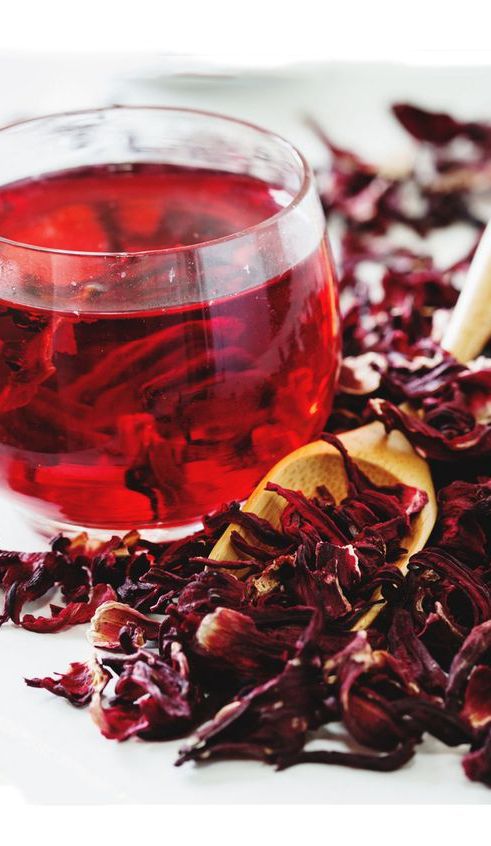
Hibiscus Flower, also known as Zobo, Roselle, or Red Sorrel, is a vibrant, nutrient-rich flower widely used for making beverages, teas, jams, and herbal products. The dried calyces of Hibiscus sabdariffa are valued for their tart flavor, rich color, and antioxidant properties.
Nigerian hibiscus flowers are known for their deep red color, freshness, and high-quality calyces, making them ideal for international markets.
Forms & Packaging for Export
Hibiscus flowers are exported in the following forms:
Whole Dried Calyces: Fully dried, cleaned, and ready for processing.
Powdered Hibiscus: Ground into fine powder for beverages, teas, or food processing.
Blended Products: Mixed with other herbs or spices for herbal teas and cosmetic applications.
Standard Export Packaging:
25–50 kg jute or woven polypropylene bags (bulk export)
10–25 kg cartons for wholesale buyers
100g – 1kg vacuum-sealed retail packs
Custom packaging available for private labeling

Quality Specifications
| Parameter | Standard Specification |
|---|---|
| Moisture Content | ≤ 12% |
| Color | Deep red, uniform |
| Odor & Taste | Tart, characteristic hibiscus flavor; free from mold or off-odors |
| Purity | Free from stones, foreign matter, and dust |
| Size | Whole calyces intact; no broken or shriveled pieces |
| Shelf Life | 12–24 months if stored properly |
| Microbial Limit | Total Plate Count ≤ 10³ CFU/g, Yeast & Mold ≤ 10² CFU/g |
| Pesticide Residue | Within international safety limits |
Nutritional & Functional Value
Hibiscus flowers are rich in:
Vitamin C – Boosts immunity
Antioxidants – Anthocyanins for heart health and anti-aging
Minerals – Calcium, Iron, and Magnesium
Functional Uses: Natural food coloring, herbal teas, beverages, jams, syrups, and cosmetics
Export Requirements
Phytosanitary Certificate: Confirms the flowers are free from pests, molds, and contamination.
Food Safety Compliance: Must meet EU, FDA (USA), or other international herbal food standards.
Customs Documentation: Commercial invoice, packing list, certificate of origin, and bill of lading.
Labeling Requirements: Include form (whole or powdered), weight, production date, and best-before date.
Quality Assurance: Third-party inspection/testing may be required for bulk shipments.
Uses of Hibiscus Flowers
Culinary: Herbal teas, beverages, jams, sauces, and syrups.
Retail: Packaged for supermarkets, health food stores, and e-commerce.
Industrial: Ingredient in natural dyes, beverages, cosmetic products, and supplements.
Medicinal: Used in traditional remedies for blood pressure regulation and digestive health.
Export Market Demand
Hibiscus flowers have high demand in:
United States & Canada: Herbal teas, natural beverages, and health foods.
Europe (UK, Germany, France, Netherlands): Gourmet, herbal, and specialty food markets.
Middle East & Asia: Herbal teas, beverages, and medicinal products.
Storage & Shelf Life
Storage Conditions: Store in a cool, dry, ventilated area away from sunlight and moisture.
Shelf Life: 12–24 months depending on packaging and storage conditions.
Advantages of Exporting Hibiscus Flowers
High demand in herbal, beverage, and natural product industries.
Rich in antioxidants and nutrients.
Long shelf life and easy storage.
Available in whole or powdered forms for diverse market applications.
HS Code for Export: 12119090 (Other plants and parts of plants, including hibiscus flowers)
Contact Topnoch Export
Topnoch Export Limited
Registered Address: NO 6, BABS ISHOLA CLOSE OFF ALHAJI MUSTAPHA STREET, ORI-OKUTA, AGRIC BUS STOP, IKORODU, LAGOS STATE, NIGERIA
Email: southercreedexports@gmail.com, info@topnotchexportsltd.com
Phone: +2348146912446
For inquiries, pricing, and bulk orders, contact Topnoch Export directly.


