

Product Overview
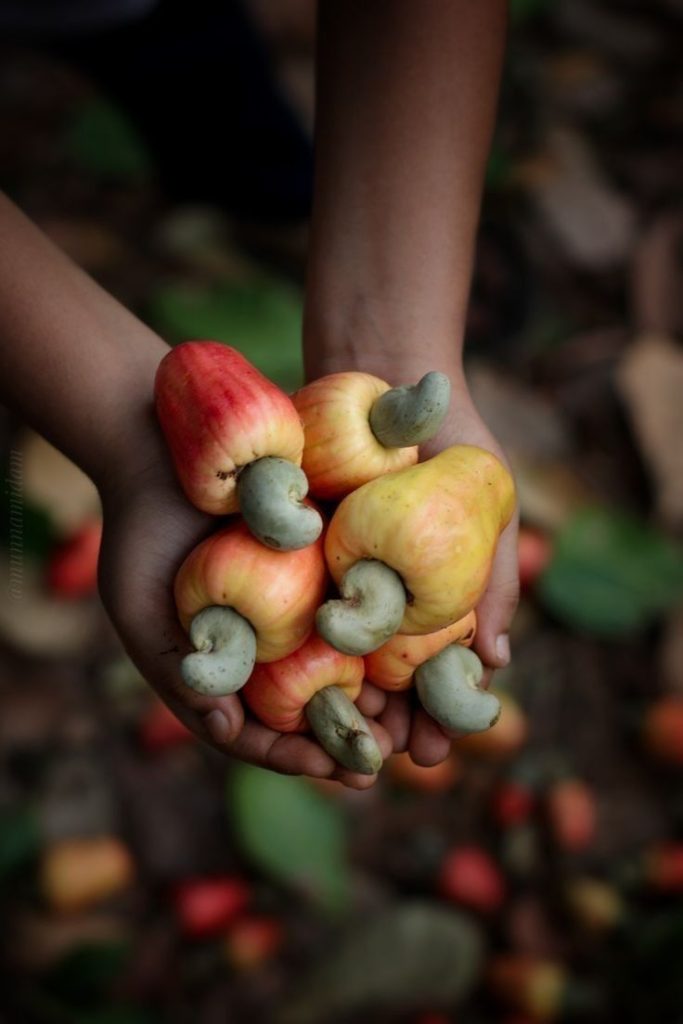
Cashew Nuts are the seeds of the cashew apple (Anacardium occidentale) and are one of the most popular tree nuts worldwide. They are prized for their rich taste, crunchy texture, and versatility in culinary, snack, and industrial applications.
Nigerian cashew nuts are known for their premium quality, uniform size, and natural flavor. Cashew nuts can be exported in raw, processed, or roasted forms and have a strong international market demand, especially in the USA, Europe, and Asia.
Forms & Packaging for Export
Cashew nuts are exported in several forms:
Raw Cashew Nuts (RCN): Sun-dried, unprocessed nuts in-shell or shelled.
White Whole Cashew Kernels (W320, W240, W180, W150): Standard grading for export, whole, and uniform in size.
Broken Cashew Kernels (Splits & Pieces): Used in snack mixes, confectioneries, and baking.
Roasted Cashew Nuts: Lightly or fully roasted for direct consumption.
Flavored Cashew Nuts: Salted, spiced, or coated varieties.
Standard Export Packaging:
25–50 kg woven polypropylene bags (bulk)
10–25 kg cartons (shelled nuts)
Vacuum-sealed retail packs: 100g – 1kg
Custom packaging for supermarkets, private labeling, and premium export
Quality Specifications
| Parameter | Standard Specification |
|---|---|
| Moisture Content | ≤ 5% |
| Broken Kernels | ≤ 5% (for whole nuts) |
| Color | Cream to pale yellow (kernels) |
| Size/Grade | W320, W240, W180, W150 for whole kernels |
| Odor & Taste | Free from rancid or off-flavors |
| Purity | No foreign matter, stones, or shells |
| Shelf Life | 12–24 months if stored properly |
| Microbial Limit | Total Plate Count ≤ 10³ CFU/g, Yeast & Mold ≤ 10² CFU/g |
| Aflatoxin | ≤ 4 ppb (compliant with EU/US standards) |
Nutritional Value
Cashew nuts are nutrient-rich, providing:
Protein: 18–20%
Fats: 45–50% (mainly unsaturated fatty acids)
Carbohydrates: 30–35%
Fiber: 3–4%
Vitamins & Minerals: Magnesium, Phosphorus, Copper, Manganese, Vitamin K, Vitamin B6
Cashew nuts are suitable for direct consumption, baking, confectioneries, and food processing.
Export Requirements
Phytosanitary Certificate: Ensures nuts are free from pests and contamination.
Food Safety Compliance: Must meet EU, FDA (USA), or other international food standards.
Customs Documentation: Commercial invoice, packing list, certificate of origin, and bill of lading.
Labeling Requirements: Include grade, size, weight, production date, and best-before date.
Quality Assurance: Third-party inspection/testing may be required for bulk shipments.
Uses of Cashew Nuts
Culinary: Snacks, confectionery, nut mixes, desserts, and bakery products.
Industrial: Cashew butter, cashew milk, and processed food products.
Retail: Packaged for supermarkets, specialty stores, and e-commerce.
Roasted & Flavored Nuts: Direct consumption in premium markets.
Export Market Demand
Cashew nuts are in high demand in:
United States & Canada: Supermarkets, health food stores, and snack industry.
Europe (UK, Netherlands, Germany, France): Baking, confectionery, and snack industry.
Asia (India, China, UAE): Industrial processing and retail snack markets.
Storage & Shelf Life
Storage Conditions: Cool, dry, and ventilated warehouse. Avoid sunlight, moisture, and pests.
Shelf Life:
Raw nuts: 12–18 months
Shelled kernels: 18–24 months
Advantages of Exporting Cashew Nuts
High international demand in culinary, snack, and industrial sectors.
Premium quality Nigerian nuts with uniform size and taste.
Long shelf life and easy storage.
Can be exported in bulk or retail packaging for diverse market segments.
HS Code for Export: 08013100 (Cashew nuts, shelled), 08013200 (Cashew nuts, in shell)
Contact Topnoch Export
Topnoch Export Limited
Registered Address:
NO 6, BABS ISHOLA CLOSE OFF ALHAJI MUSTAPHA STREET, ORI-OKUTA, AGRIC BUS STOP, IKORODU, LAGOS STATE, NIGERIAEmail: southercreedexports@gmail.com, info@topnotchexportsltd.com
Phone: +2348146912446
For inquiries, pricing, and bulk orders, contact Topnoch Export directly.


